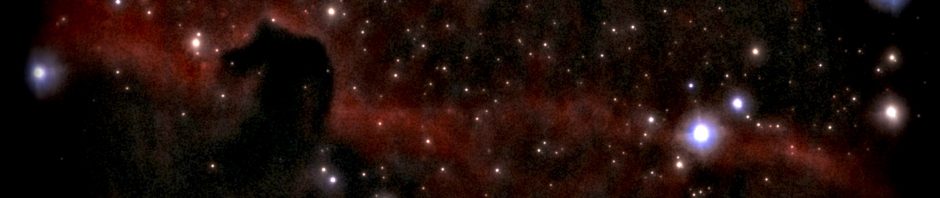
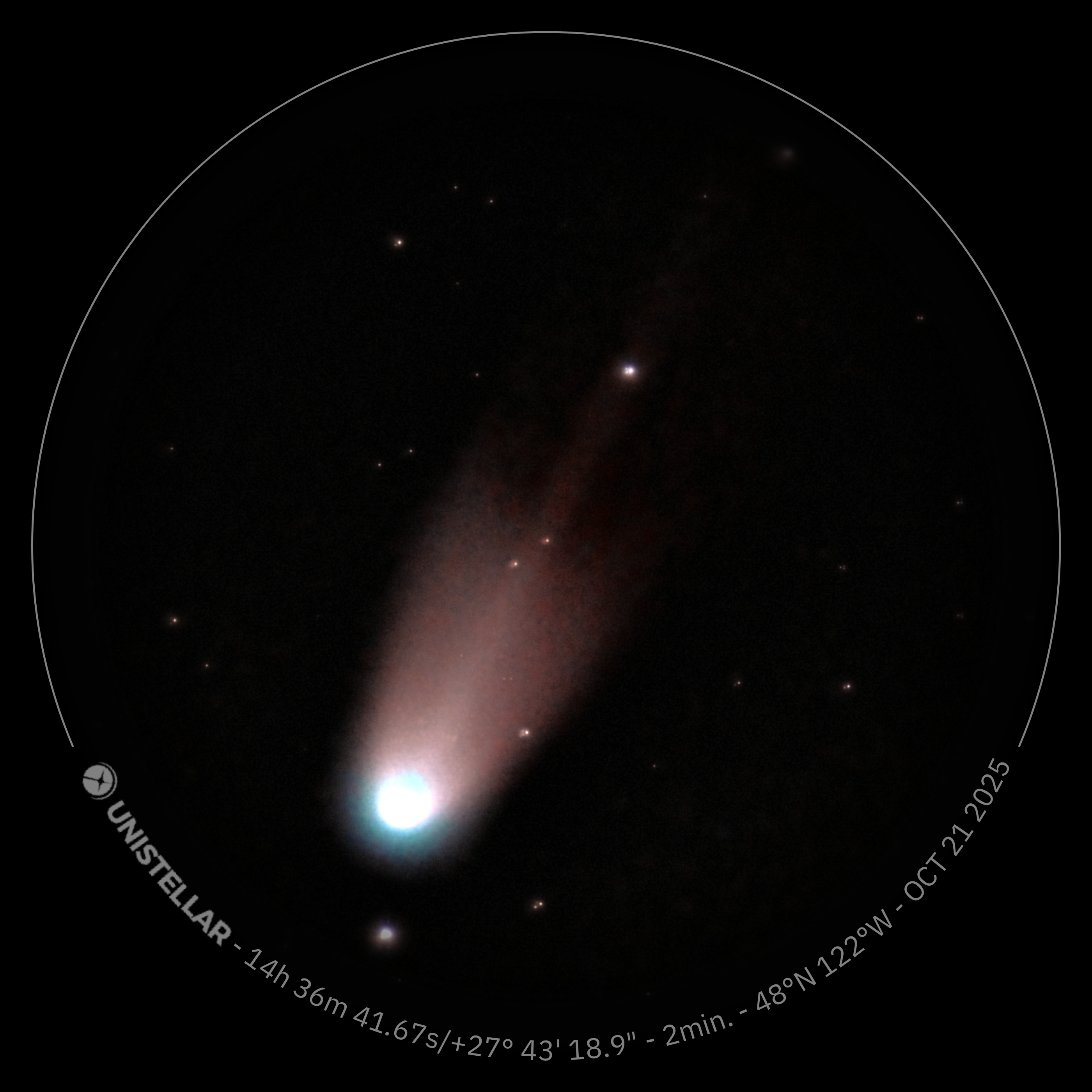
Comet C/2025 A6 (Lemmon) made its closest approach to Earth on Tuesday, October 21st at just under 0.6 AU – so about half the distance from the Earth to the Sun. I had a clear night last night, and was able to capture some pretty good shots. I had a very hard time keeping tracking – it was very low on the horizon, and it was a humid night with a lot of atmospheric distortion. I only got two shots that were able to keep track for longer than 10 seconds. I included the first one because I think it shows the best true-color representation: a slightly blue-green coma with two distinct tails – one dim and diffuse, and the other sharp and narrow.
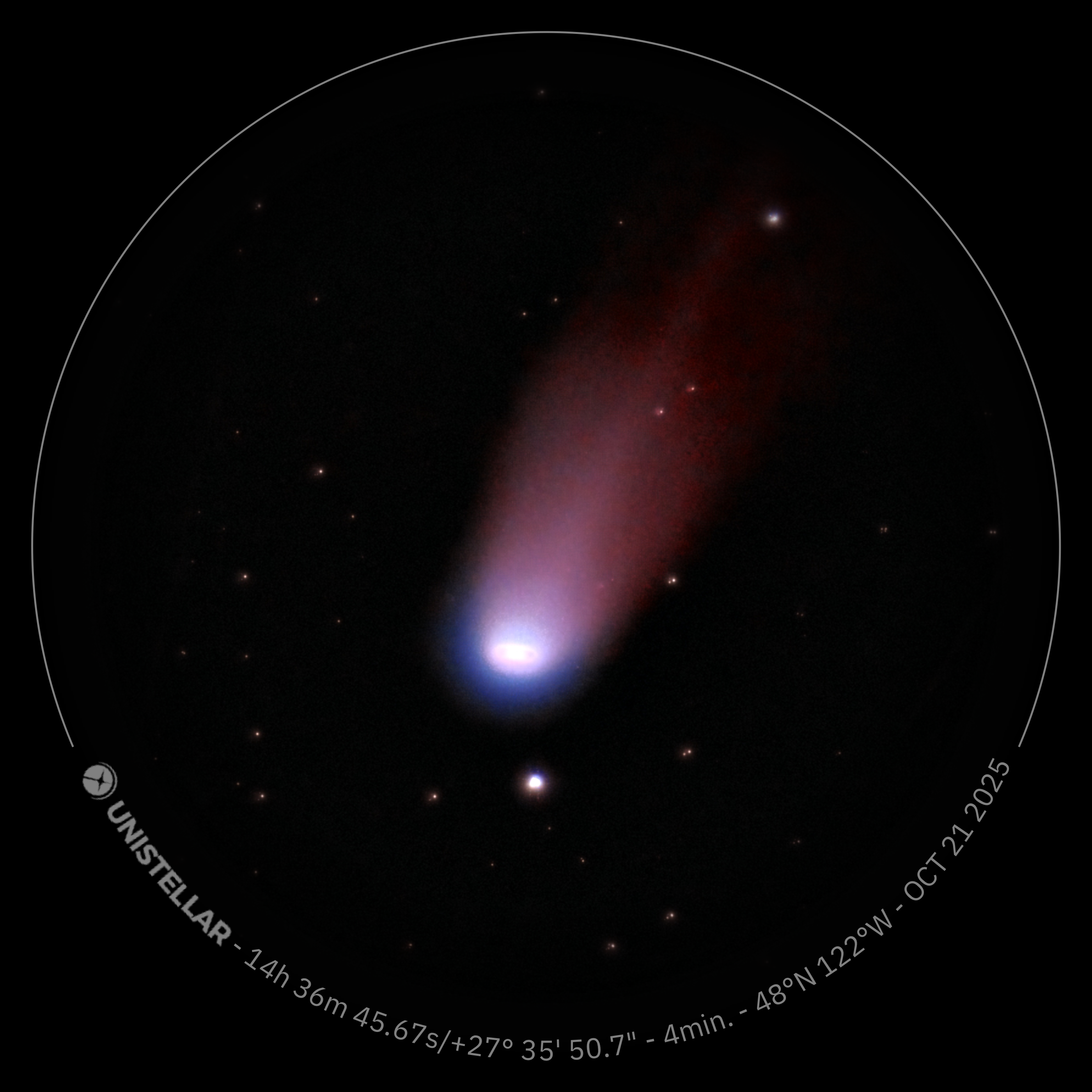
The other distinct feature, visible in the last of the 3 images, is how fast the comet is moving relative to the background stars. Compare it the 4 minute picture to the 8 second picture, and you can see that the bright center of the coma moves up and to the left about 2 to 3 times its apparent width over the course of only 4 minutes.
This creates two interesting feature requests for Unistellar: 1) let us take time lapse movies. Maybe 10-20 second stacks per frame, so you get a nice bright resolved image? If that was possible, you’d DEFINITELY see the comet moving (and probably even the tail!) in the 3rd image. 2) I wish the auto-tracking software would give you the option to track the motion of the COMET rather than the motion of the stars. This comet was NOT in the Unistellar list of targets, so I had to manually enter the right ascension and declination. This was fine, but if it HAD been in the catalogue, then that feature would’ve been awesome. If that were the case, then the 3rd picture below would be a beautiful well-tracked image, and the stars would be slightly streaky – which is a fair tradeoff. I’m sure this isn’t an easy feature, but it would be a very cool one.
As always these will be added to the Solar System Objects and Nebulae pages. Enjoy!
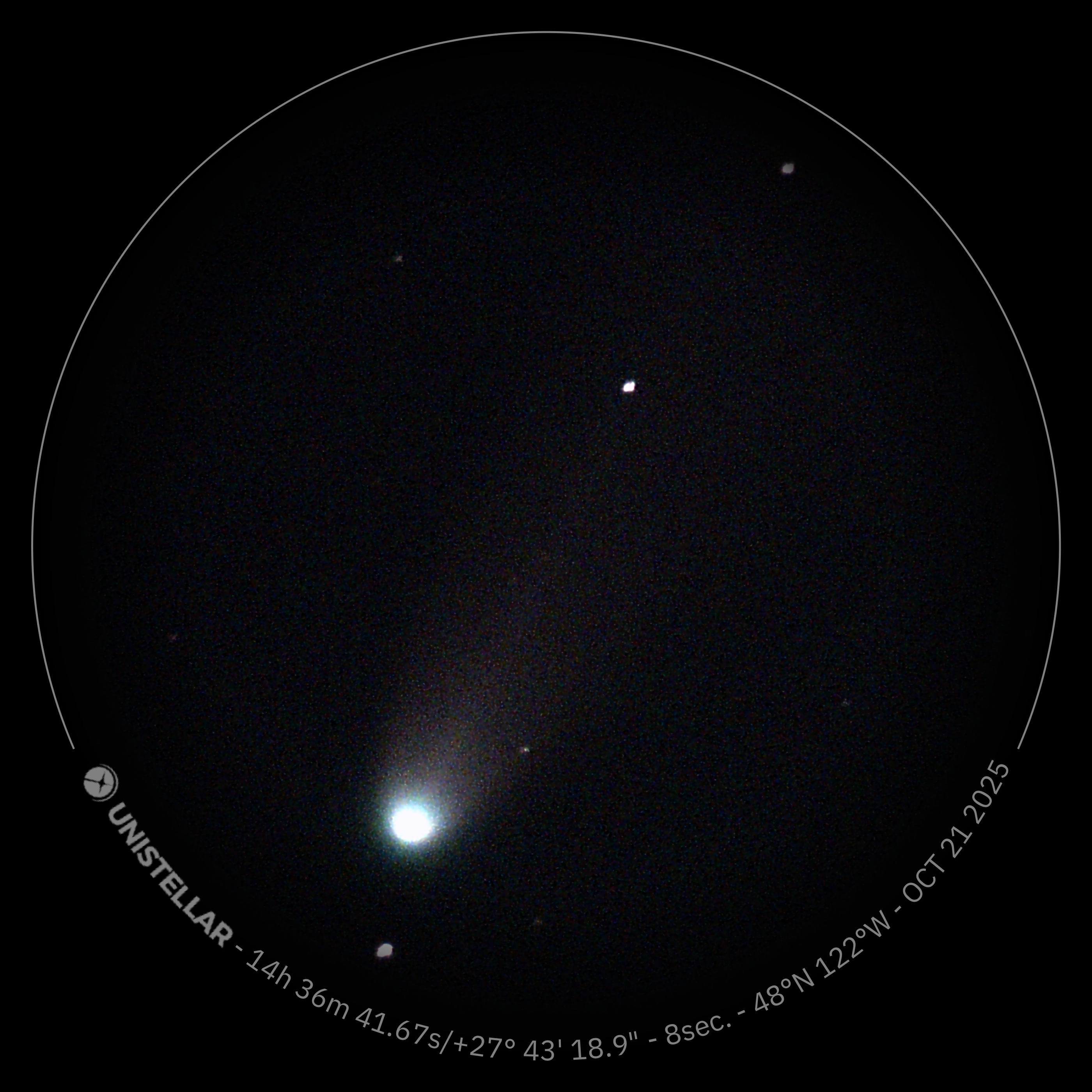
Comet C/2025 A6 (Lemmon)
8s
2025-10-21
The best “short” shot I got of it this night, showing what it would look like if you used a pair of binoculars (which I also did). The tail was VERY long – about 3 or 4 diameters of the moon, I’d estimate.
Comet C/2025 A6 (Lemmon)
2m
2025-10-21
The first of the two decent dwells that I got, showing a beautiful pair of bright tails.
Comet C/2025 A6 (Lemmon)
4m
2025-10-21
You can really see how fast the comet is moving relative to the stars – compare the wide bright line at the center of the coma with the smaller circular dot from the 8s shot above.
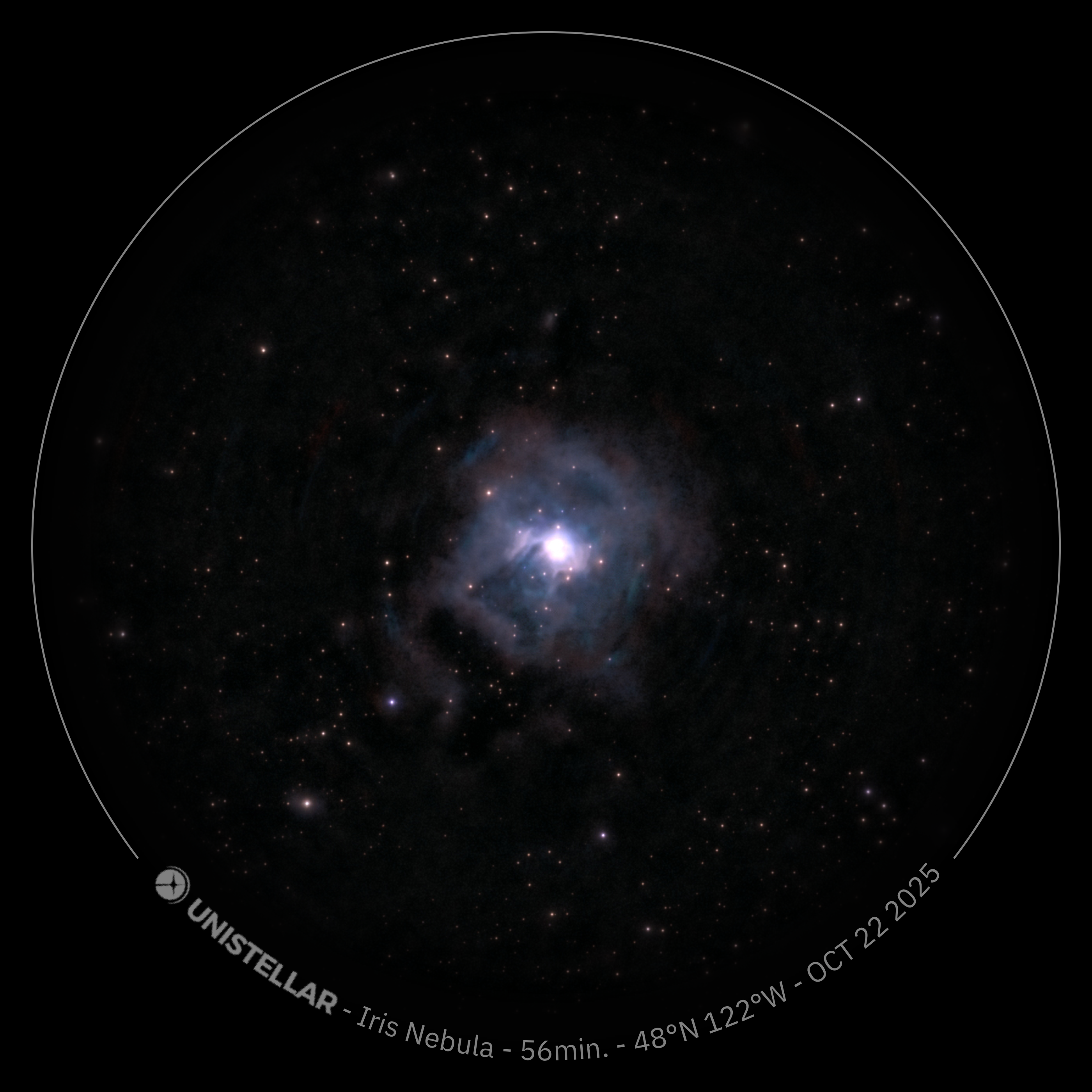
NGC 7023 – Iris Nebula
56m
2025-10-22
This is another one that the Unistellar catalogue doesn’t have good data for, and you have to force it to go find it. I’m glad I did, because this is a very beautiful nebula.
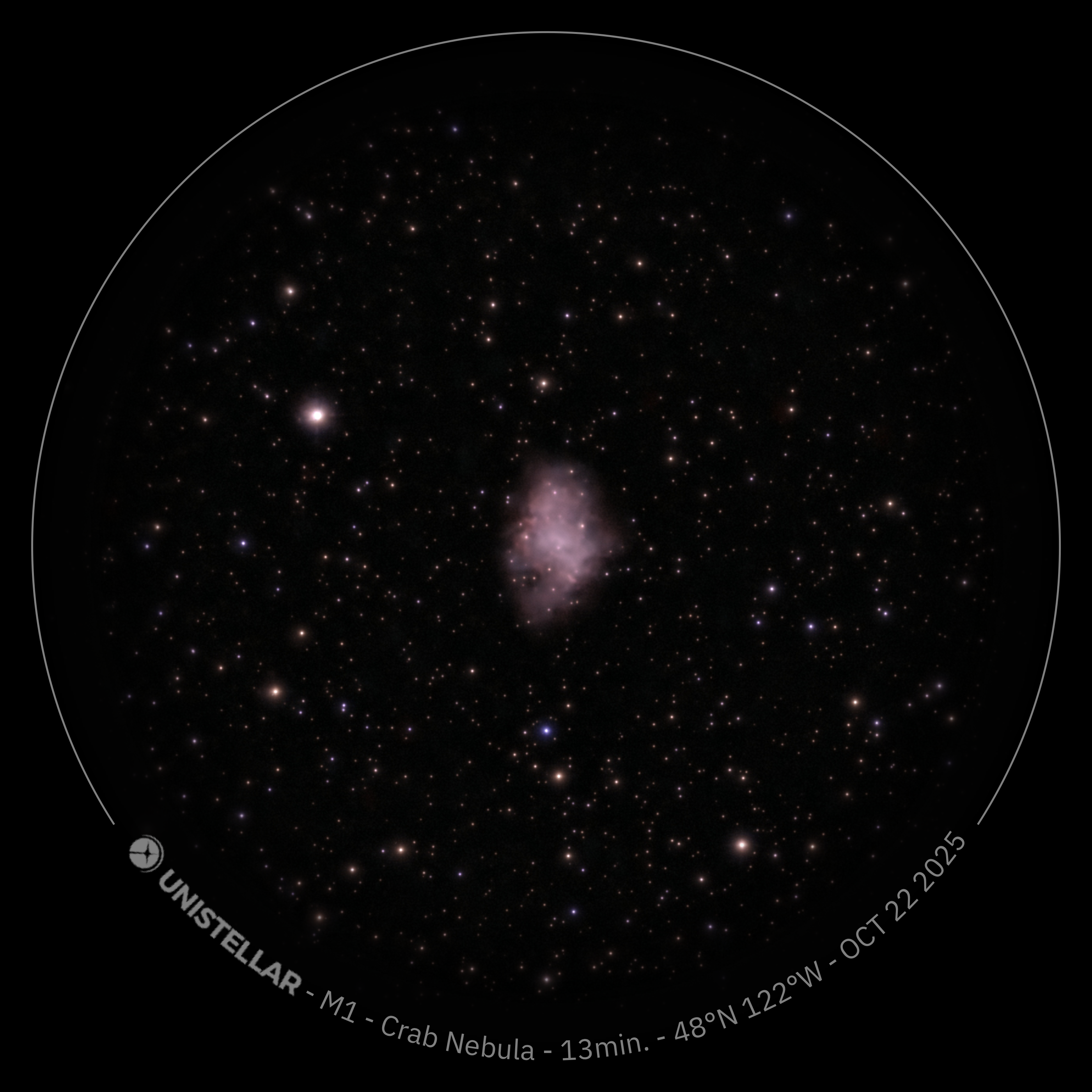
M1 – Crab Nebula
13m
2025-10-22
This nebula was the result of a supernova in 1054 C.E. which was observed and documented by cultures from Central America to Asia. It’s a nice little supernova remnant, and it’s actually bright enough that you can see it pretty easily with binoculars.
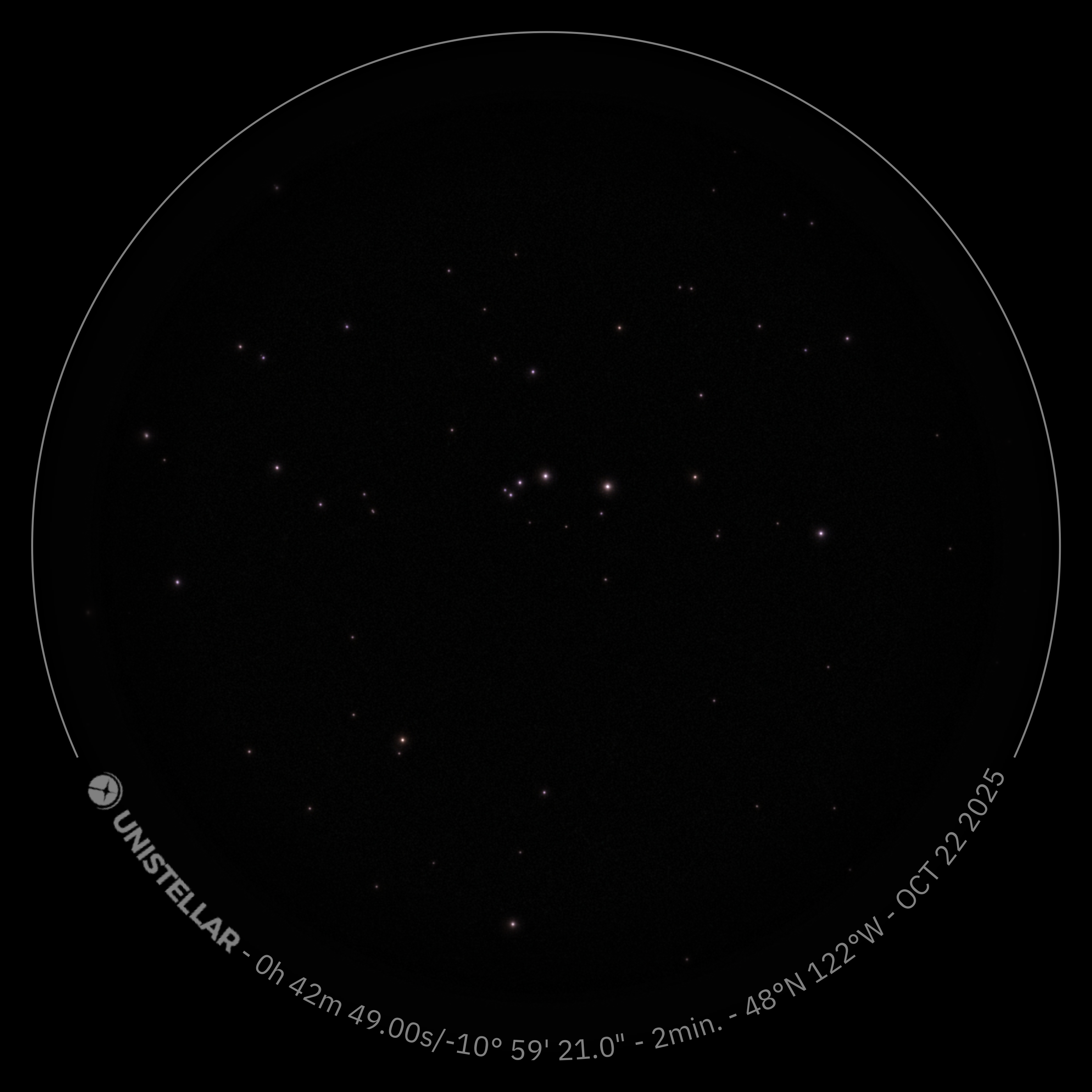
Ceres
2m
2025-10-22
I’m not sure which of the dots in this picture is Ceres, but one of ’em is. I’m going to try to get another picture of it in the next few days; if I can, I’ll try to overlay the pictures, and if we’re lucky, we’ll get to see it move.
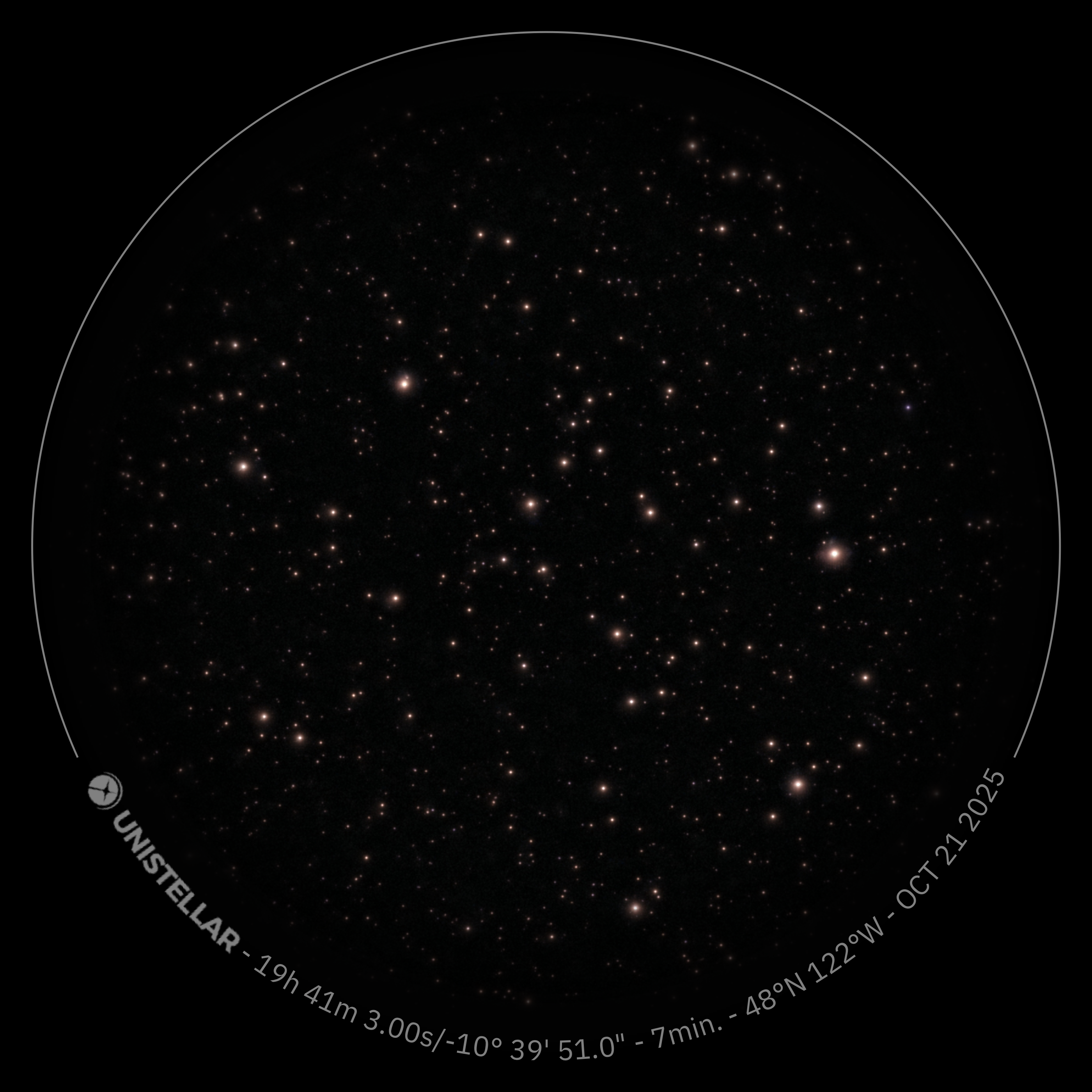
Comet C/2025 R2 (SWAN)
7m
2025-10-21
My second attempt to catch Swan in about a week, and this was about as unsuccessful as the first attempt. Either I’m missing it entirely, or it’s really small/dim. I think I might be missing it.
Discover more from Space on the back porch
Subscribe to get the latest posts sent to your email.

