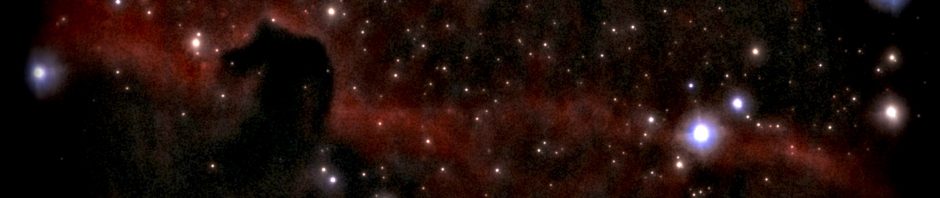
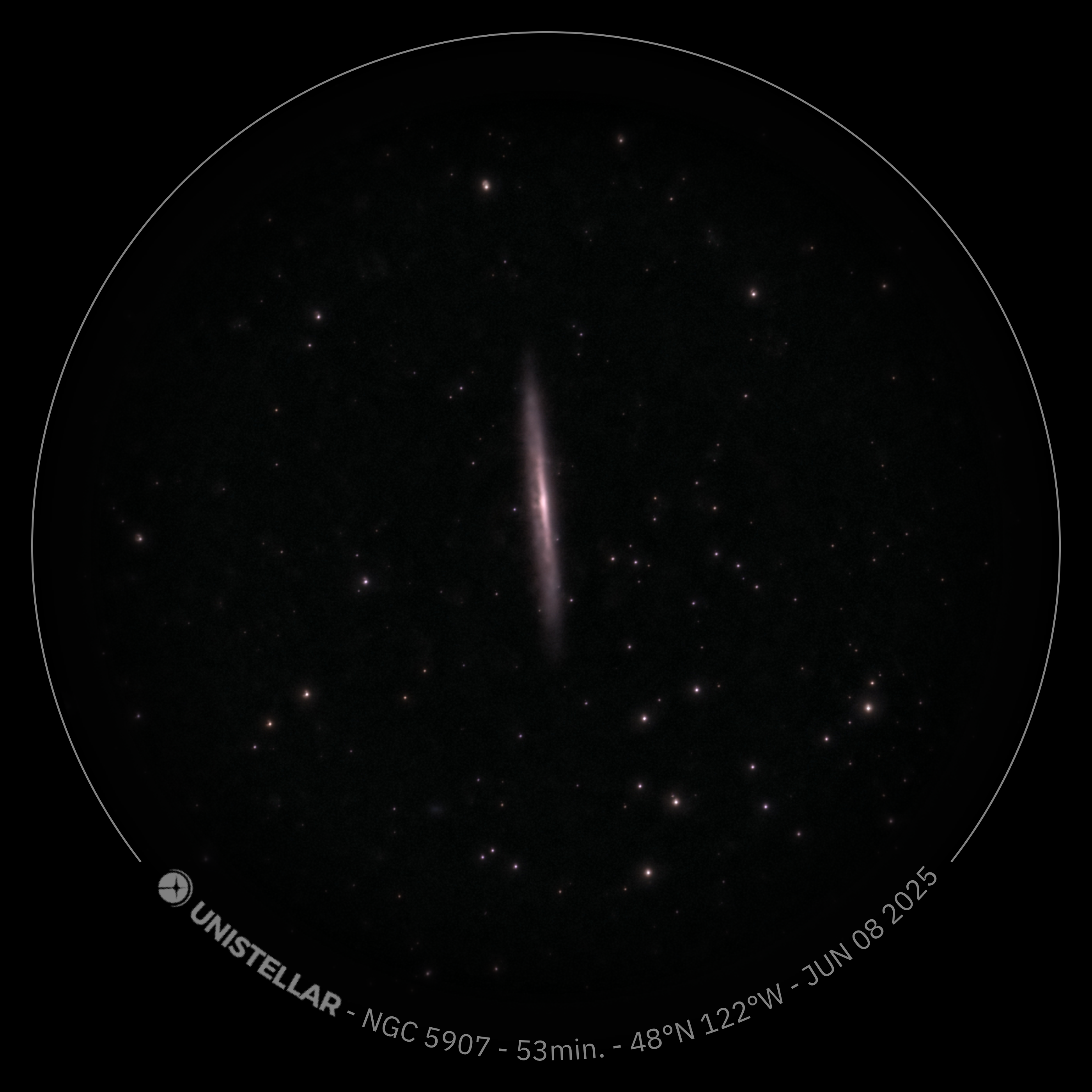
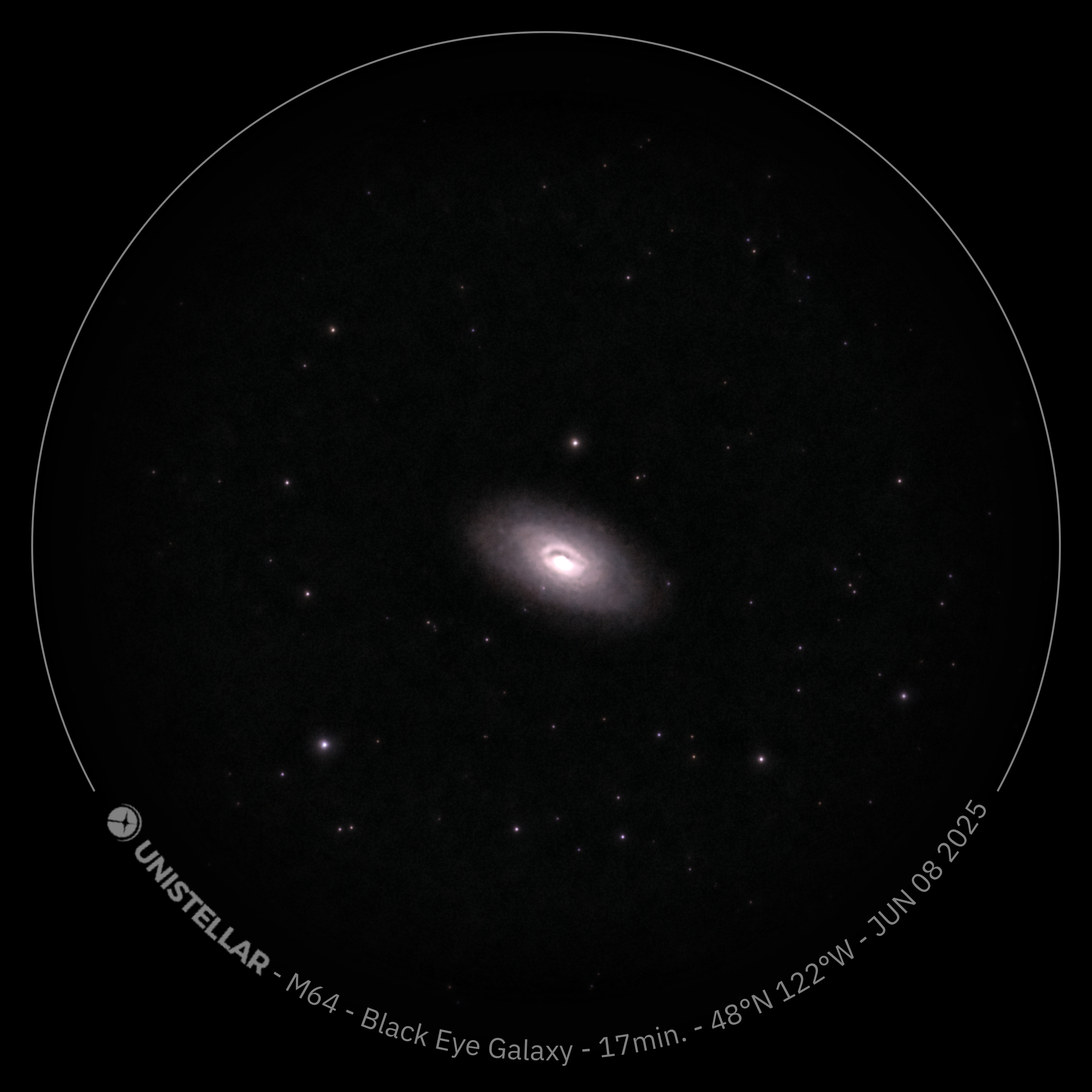
One of the reasons I started this website was because I wanted a place to remember the objects I’ve already photographed, what I hadn’t, and what I wanted to re-visit. It worked! I got two re-visits last night: M64 – the Black Eye Galaxy, and NGC5907. I’ll be adding both of them to the Galaxies page.
Any others you’d like a re-visit, or any suggestions on what I should try to capture? Leave a comment!
NGC 5907
53m
2025-06-08
A VERY edge-on spiral, and it seems the dust is spattered around the disk, making it somewhat mottled and dim. Nice picture though!
M64 – Black Eye Galaxy
17m
2025-06-08
This was my 2nd attempt of the night; the first one lost tracking at under 2 minutes (I’m not going to bother uploading it), and this one failed at 17 minutes, so I called it a night & packed up. Not as long as I really want, but a longer dwell time still produced a very nice image.
The Galaxies page is now up, and that’s all the photos I’ve got that are worth putting on the website … so far. It’s cloudy tonight, so nothing new to add.
My long-term plan is to update this website within a few days, every time that I get some new pictures. Given that this is Seattle, and the weather is unpredictable, that might be a day or two, or it might be a month. I’ll add the new photos to each post, and then also add them to the individual pages.
Feedback is welcome! Anything you think I should take a picture of? Anything that you think is worth a re-visit? Got any questions about one of the pictures? Let me know, and I’ll try to respond.
Star clusters page is up! Not as many of them, but they’re still pretty cool. Note that individual stars (of which I’ve only taken 2) are also on that page.
I bought a Unistellar eVscope2 telescope in 2022. I had a small optical telescope when I was a kid, and then I bought a small Meade once I had a job and some money. I always had problems getting the Meade aligned, and I didn’t have a motorized mount, so you couldn’t keep anything in the field of view for very long. And forget about high resolutions with powerful lenses – everything zipped through your view faster than you could really see them.
Then, one day I was watching a Deep Sky Video on YouTube, and Professor Mike Merrifield (I believe) mentioned that he’d been a backer for a kickstarter for an all-in-one telescope: it would have a map of the full sky so that it could almost-instantly know where it was currently pointed, automatically track the planetary rotation, have a catalog so you could then point it at whatever you liked, and – most importantly – take stacked images (rather than long exposures) to algorithmically create detailed images of extremely faint deep sky objects, like galaxies and nebulae. [Correction: it’s a Sixty Symbols video – another Brady Haran channel – on backyard astronomy during COVID.]
I went to the Unistellar website, which had just come out with the brand-spanking-new eVscope2, and used my midlife crisis purchase on a $3,500 (USD) telescope, tripod, and backpack. (This was a much better purchase than a Ferrari, since I suffer from motion sickness and would drive it like a minivan. But a telescope? I’d drive that sucker into the ground, baby.)
My telescope finally arrived and… wouldn’t work right. It tracked very slowly. It wouldn’t keep up with the Earth’s rotation. In order to keep the “enhanced vision” function working, it needed to accurately follow the moving stars … and it couldn’t. Unistellar did a great job on the customer service side of things, helping me troubleshoot the issue, and eventually I packed it back up and shipped it back. A few weeks later, I had a new one, and this one worked beautifully.
I’ve used it often, almost always from my back deck. I live in Seattle, in the USA, which creates 3 significant problems:
It rains. A lot.
I live within the city limits, so light pollution is definitely “a thing.”
Seattle is less than 100 feet (30 meters) above sea level. That’s a lot of atmosphere between me and space. And since Seattle’s also on the shores of Puget Sound, the atmosphere is also very, very moist.
Even so, I am always amazed and impressed by the images that I’ve been able to capture. Unistellar has also done a great job updating the software, improving both the usability and functionality. Planets got a lot better, and they added features in early 2025 to automatically sharpen and color-stretch the images, creating much more vibrant and sharp pictures.
When I was a kid, one of my life’s ambitions was to be able to witness a supernova in my lifetime. I always thought it would be neat to see a bright star, shining during the daytime.
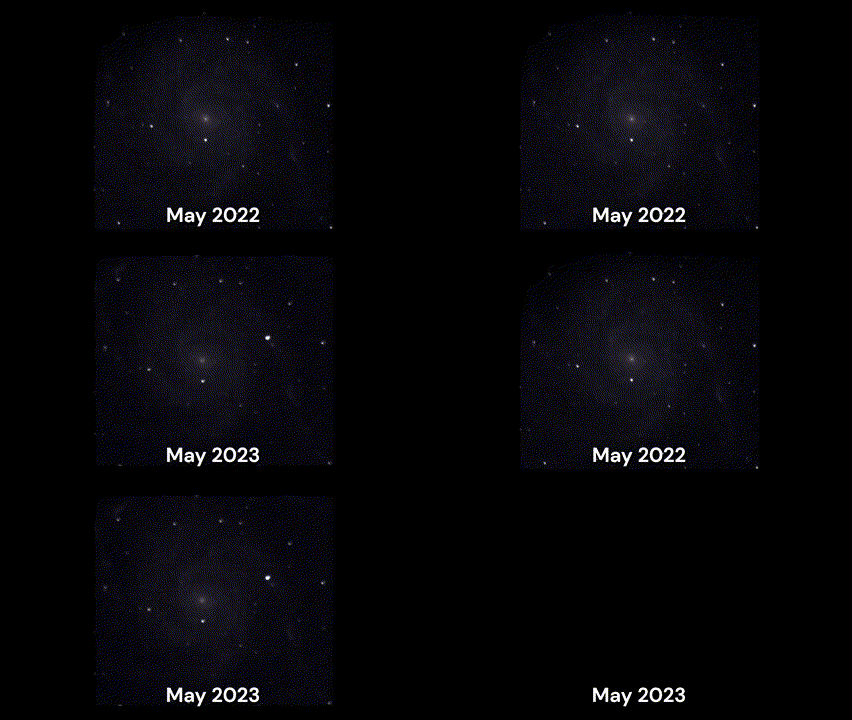
Because of my eVscope2 telescope, I got to reach that goal – albeit not exactly as I imagined it. One of my happiest accidents is that I took a picture of the Pinwheel Galaxy in May of 2022; then, in May of 2023, I was at work when I read the news reports: there was a supernova in the Pinwheel Galaxy, visible to most anyone with a home telescope. I checked the weather, and learned that Seattle’s skies a couple nights later were (shockingly) supposed to be clear. When I finally had a cloudless night, I set up the telescope, and within minutes, I had my supernova. I cropped them together into a small GIF – it’s not pretty, it’s not fully aligned, but they’re my pictures, from my telescope, and I got to see it myself. It still makes me immensely happy.
My plan is to create a set of pages, cataloging what I’ve captured, when, how long my exposures were, and any thoughts about them. I’ve created the first page today, which are solar system objects. It should be noted that the eVscope2 is not a good telescope for these; it can’t physically zoom, and has a fixed field of view that’s about the size of the moon. It’s great for dim objects like galaxies and nebulae, but mediocre-to-weak for bright, small things like planets. Still, you have to start somewhere, and I’m learning WordPress, so … here you go.